
Carabin Shaw is one of the leading personal injury law firms in Texas. They have extensive experience in car accident cases, focusing on securing compensation for clients’ medical bills, property damage, and pain and suffering.
Specialization: Personal injury, car accidents, wrongful death, 18-wheeler accidents.
Why choose them? Carabin Shaw offers a free initial consultation, and its team is known for aggressively advocating for its clients’ rights.
Internal Injuries from High-Impact Crashes: Organ Damage and Emergency Surgery
The invisible nature of internal injuries makes them among the most dangerous consequences of San Antonio car accidents, where high-speed collisions on Interstate 35, Loop 1604, and Highway 151 generate tremendous forces that devastate internal organs while leaving victims appearing relatively unharmed externally. These hidden traumas kill thousands annually and create financial catastrophes for survivors.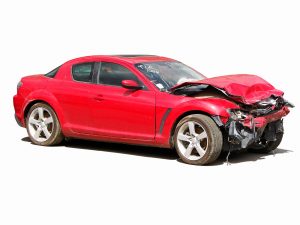
The Hidden Epidemic
Motor vehicle collisions caused over 2 million injuries nationwide in recent years, with internal organ damage representing a substantial portion of serious trauma cases requiring immediate surgical intervention. In San Antonio alone, where over 39,000 annual crashes occur, internal injuries from high-impact accidents create medical emergencies demanding split-second decisions to save lives.
Internal injuries differ fundamentally from external trauma because symptoms often remain masked for hours or days after accidents. Unlike broken bones or lacerations that produce obvious signs, organ damage may progress silently while victims feel relatively normal, only to suddenly deteriorate into life-threatening medical crises.
Blunt force trauma occurs when external impact forces crush, tear, or rupture internal organs without penetrating the skin. San Antonio’s high-speed highway accidents commonly produce these injuries when occupants strike steering wheels, dashboards, or airbags during sudden deceleration. The tremendous forces involved often exceed 15-20 times gravitational pressure.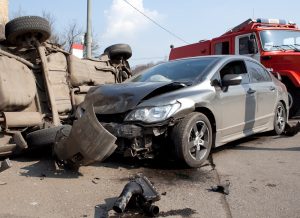
Deceleration injuries result from rapid changes in speed during collisions, causing organs to continue moving forward while the body stops abruptly. This differential motion tears organ attachments, blood vessels, and support structures, creating internal bleeding that can prove fatal within minutes if unrecognized.
Organ Systems at Risk
Car accident internal injuries affect multiple organ systems simultaneously, creating complex medical scenarios that challenge even experienced trauma surgeons at San Antonio’s leading medical facilities.
Liver trauma represents one of the most common and dangerous internal injuries from vehicle accidents. The liver’s large size and fixed position make it vulnerable to crushing forces during frontal impacts common at San Antonio intersections. Liver lacerations can cause massive internal bleeding requiring immediate surgical repair, blood transfusions, and intensive care monitoring.
Splenic injuries frequently occur from side-impact T-bone collisions that compress the left upper abdomen against door panels or center consoles. The spleen’s highly vascular nature means even small tears can produce life-threatening bleeding requiring emergency splenectomy. Spleen removal permanently compromises immune function and requires lifelong medical monitoring.
Kidney damage ranges from bruising and small tears to complete rupture requiring immediate surgical intervention. High-speed rear-end collisions in San Antonio’s Interstate 35 construction zones generate the crushing forces that damage these protected organs. Kidney trauma can cause permanent renal impairment, hypertension, and eventual kidney failure.
Lung injuries occur when broken ribs puncture lung tissue or when sudden compression causes lung collapse. These injuries require immediate chest tube placement or emergency thoracotomy to restore breathing function. Complex lung trauma may result in chronic breathing difficulties and reduced exercise capacity.
Heart trauma represents the most critical internal injury, with cardiac contusions, valve damage, or aortic tears requiring immediate cardiovascular surgery. The aorta can rupture from deceleration forces, causing instantaneous fatal bleeding unless emergency surgical repair occurs within minutes.
Emergency Surgical Procedures
Internal organ injuries often require immediate surgical intervention to prevent death or permanent disability. The types of emergency procedures performed depend on injury location, severity, and patient stability.
Exploratory laparotomy involves making large abdominal incisions to locate and repair bleeding organs. Surgeons systematically examine each abdominal organ, sealing torn blood vessels and repairing damaged structures. These complex procedures may require 4-8 hours in the operating room, followed by weeks in the intensive care unit.
Thoracotomy procedures address chest trauma by opening the rib cage to access the heart, lungs, and major blood vessels. These dramatic surgeries may involve opening the entire chest cavity, removing damaged lung sections, or repairing cardiac structures. Recovery typically requires months of rehabilitation.
Craniotomy becomes necessary when brain trauma from high-impact accidents causes intracranial bleeding or pressure buildup. Neurosurgeons remove skull sections to relieve brain pressure and repair damaged brain tissue. These procedures carry significant risks of cognitive impairment and permanent neurological deficits.
Damage control surgery represents a life-saving approach for patients who are too unstable for definitive repairs. Surgeons temporarily stop bleeding and contamination, allowing patients to stabilize before returning for complete reconstruction. These staged approaches may require multiple operations over months.
Financial Devastation
Internal organ injuries create immediate and long-term financial burdens that often exceed $500,000-2,000,000 in total costs, making them among the most expensive motor vehicle accident injuries to treat and manage.
Emergency treatment costs begin accumulating from the moment ambulances transport victims to trauma centers. Initial resuscitation, blood transfusions, emergency surgery, and intensive care monitoring typically cost $75,000-200,000 during the first week alone. Multiple blood transfusions may require dozens of units for severe bleeding cases.
Surgical expenses vary dramatically based on complexity and organ systems involved. Simple organ repairs cost $25,000-75,000, while complex reconstructions may exceed $300,000-500,000. Multiple procedures over weeks can generate surgical costs approaching $1,000,000 for polytrauma patients.
Intensive care unit costs average $5,000-15,000 per day, with internal trauma patients often requiring 2-6 weeks of critical care monitoring. Mechanical ventilation, dialysis, cardiac monitoring, and specialized nursing care create daily expenses that quickly reach $100,000-300,000.
Lifetime care needs for permanently disabled patients can reach millions of dollars. Organ failure requiring dialysis costs $75,000 annually, while transplant patients need $50,000-100,000 yearly in immunosuppressive medications and monitoring.
San Antonio Risk Zones
The Interstate 35 corridor experiences frequent high-speed rear-end collisions during rush-hour congestion, particularly in construction zones where lane restrictions cause sudden speed changes. Commercial truck involvement often produces the crushing forces necessary to cause severe internal trauma.
Loop 1604 interchanges generate high-energy side-impact collisions during aggressive merging maneuvers. The complex geometry creates favorable conditions for T-bone accidents at speeds exceeding 50 mph, producing lateral compression forces that commonly damage the spleen and liver.
Highway 151 intersections experience frequent signal violations, leading to high-speed cross-traffic collisions. Impaired drivers often run red lights at dangerous speeds, creating impacts with sufficient energy to cause multiple organ trauma requiring complex surgical intervention.
Insurance Company Challenges
Internal injury claims face aggressive insurance company challenges aimed at minimizing compensation. Causation disputes attempt to attribute organ damage to pre-existing medical conditions rather than traumatic injury. The need for treatment raises the question of whether emergency surgeries were necessary.
Pre-existing condition magnification focuses on any prior medical history involving affected organs. Future care disputes challenge projections of lifetime medical needs and costs, arguing that technological advances may reduce long-term expenses.
Why Carabin Shaw Wins
Internal organ damage cases demand attorneys with a sophisticated understanding of complex medical issues and long-term care requirements. Carabin Shaw’s legal team works directly with trauma surgeons and organ transplant experts to document every aspect of our clients’ injuries.
We recognize that internal injuries often affect young, healthy individuals at their earning peak, making accurate lifetime damage calculations crucial. Our attorneys ensure settlements account for decades of medical care, lost earning capacity, and the human costs of living with permanent organ dysfunction.
Contact Carabin Shaw immediately if you’ve suffered internal injuries in a San Antonio car accident. Our attorneys will ensure appropriate medical care and advocate for compensation, addressing both immediate needs and long-term care requirements.


